


What To Eat in Bali: 14 Local Foods You Must Try
While yet to receive the same international recognition as other Southeast Asian destinations, Balinese cuisine is a hidden gem waiting to be discovered. Traditional food in Bali is a rich blend of vibrant flavors and aromatic spices, with diverse influences from all across the Indonesian archipelago.
fter several years travelling around the island, we’ve eaten our fair share of Balinese food. So if you’re ready to branch out from avocado toast and smoothie bowls, here are our favourite traditional Balinese and Indonesian dishes.
Key Balinese food terms
Save this list – you might find it useful when eating at local restaurants away from tourist areas:
- Warung – local restaurant
- Goreng – fried
- Campur – mixed
- Pedas – spicy
- Manis – sweet
- Nasi – rice
- Mie – noodles
- Sambal – chili sauce
- Sayur – vegetables
- Ayam – chicken
- Babi – pig/pork
- Bebek – duck
- Ikan – fish
- Sapi – beef
- Kacang – nuts
1. Nasi Goreng & Mie Goreng


Nasi goreng and mie goreng are two of the best-known dishes found on every menu in Bali, from local warungs to high-end restaurants. Eaten at any time of day, the dishes are a firm favourite among tourists in Bali.
Nasi goreng, which means “fried rice”, is a simple rice dish consisting of chicken or prawns, and veggies like shallots, garlic, carrot, and green beans. It’s then topped with a fried egg and accompanied by crackers and chili sauce.
What makes nasi goreng stand out from other Asian fried rice dishes is its distinctive sauce made from kecap manis (sweet soy sauce) and shrimp paste, giving it a tasty sweet and salty twang.
Mie goreng, aka “fried noodles,” is a stir-fried noodle dish usually made with chicken or prawns, shallots, garlic, chili, bok choy, and a mix of vegetables. Similar to nasi goreng, the dish also contains Indonesian sweet soy sauce.
2. Nasi Campur


Nasi Campur means “mixed rice,” which is exactly what it is – a generous scoop of rice accompanied by small portions of other dishes such as meats, fish, vegetables, and sides.
In some restaurants, nasi campur comes served already plated with a small selection of dishes. But more commonly, it’s served buffet style in a local warung (small family-run restaurant), so you can pick exactly what you want on your plate.
The dish is a great option for fussy eaters or for those who want to sample lots of local Balinese dishes in one go.
3. Sate Lilit


Sate Lilit is a local variety of satay in Bali. “Lilit” means “to wrap around,” referring to how the meat wraps around the satay stick rather than being skewered by it.
To make sate lilit, finely ground meat (often fish, chicken, or pork) is mixed with grated coconut, coconut milk, and various spices to form a thick paste. The paste is then wrapped around bamboo sticks or lemongrass stems and cooked on a grill, giving it a delicious smokey taste.
You’ll find both regular satay skewers and sate lilit at warungs in Bali, so make sure you know which one you’re ordering.
While the regular ones tend to be served with a peanut sauce (what many know as “satay sauce”), Balinese people prefer to eat sate lilit with a simple sambal (local chili sauce) or sweet soy sauce.
4. Bakso


Bakso is a simple Indonesian meatball soup with roots in Chinese cuisine. The dish features fluffy chicken meatballs (or other meat) served in beef broth with rice noodles, tofu, simple greens, and steamed dumplings or wontons.
Bakso is one of the most popular local street foods in Bali. It’s often served from small carts towed around the streets by bicycle or motorbike.
If you’re new to Bali and want to try bakso, it may be best to avoid the street carts to start with (Bali belly is a high risk). We’d suggest checking out a more foreigner-friendly bakso restaurant like Bakso IGA Canggu.
5. Balinese Chicken Curry

Balinese Chicken Curry, or “Kare Ayam Bali”, is a deliciously fragrant yellow chicken curry and one of Kieren’s absolute favourite dishes in Bali.
The traditional curry uses an aromatic blend of shallots, garlic, ginger, chili, galangal, turmeric, and lemongrass to give it its signature taste, then added to coconut milk for a creamy consistency. The dish is usually made with chicken, but this can be swapped out for fish, tempeh, or tofu.
In Bali, curry pastes often include cashew nuts or peanuts to add extra richness and creaminess. This is important to look out for if you have a nut allergy.
6. Ayam Betutu

“Ayam Betutu” is another traditional Balinese dish that originates from the northwest of the island. It consists of chicken slowly cooked in a special aromatic spice mixture, served with rice, spicy water spinach, fried peanuts, and sambal.
While ayam (chicken) is the most popular, you can also find “Bebek Betutu,” the duck version of this dish.
The best place to try ayam betutu is in northwest Bali around the areas of Gilimanuk and Pemuteran, but you will occasionally find it in specialist restaurants in southern Bali too.
7. Pepes Ikan
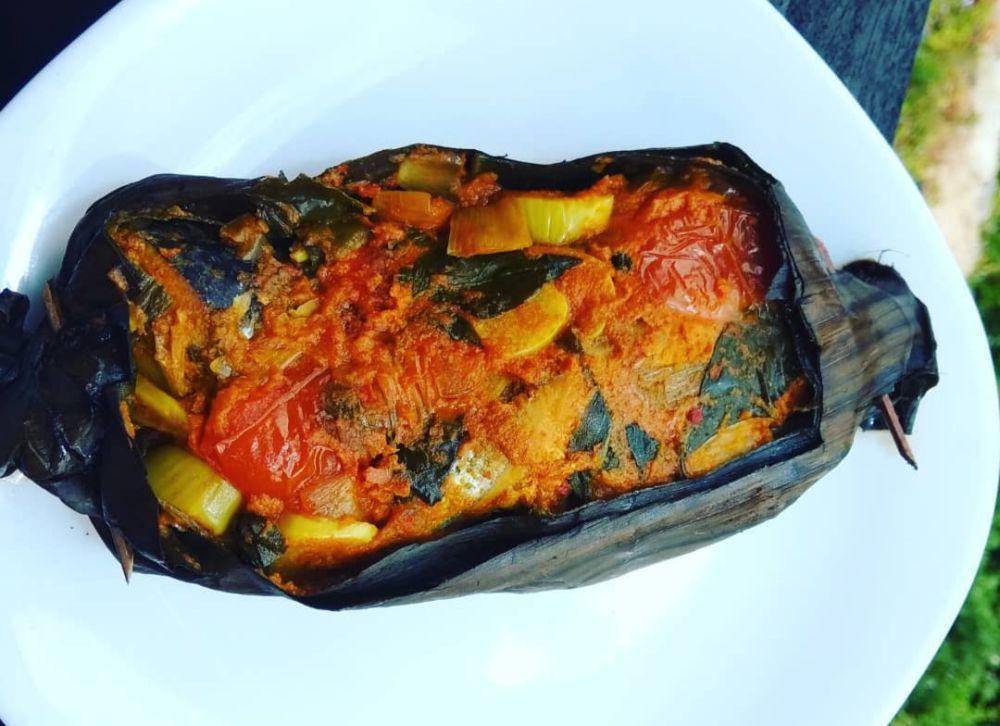
Pepes Ikan is an Indonesian dish that consists of fresh fish marinated in local spices and wrapped in banana leaves before being steamed or grilled. The banana leaves give a delicate, fragrant flavor while keeping the fish moist and tender.
Pepes Ikan is usually eaten as a sharing dish among family or friends, although it is sometimes served in individual portions in restaurants.
8. Beef Rendang

Beef rendang is a slow-cooked, dry curry dish originating from the Minangkabau Highlands of West Sumatra. It’s one of the most famous dishes in Indonesian cuisine and a favorite among tourists visiting Bali, so it’s a must-have on this list!
You can Find it at Warung Nasi Padang.
Rendang is a slow-cooked dish that involves cooking the meat with a rich and aromatic blend of spices and coconut milk until the sauce thickens and the meat becomes tender. The result is beautifully succulent beef that melts in your mouth and has a unique blend of savory, sweet, and spicy flavors.
9. Gado Gado

You may have noticed that the dishes on this list so far are pretty meat-heavy – although many of them can be substituted with tofu or tempeh to make them vegetarian-friendly! But for a delicious vegetarian dish in its own right, Gado-Gado is a must-try.
Gado Gado is a popular Indonesian-style salad. It’s originally from the neighbouring island of Java, but the dish is also extremely popular in Bali.
The salad typically includes a variety of steamed vegetables such as potatoes, carrots, green beans, bean sprouts, spinach, and cabbage. It’s usually served with tofu, tempeh, and boiled egg, and topped with a rich peanut sauce.
10. Fried Tempe


Another fantastic option for vegetarians (and non-vegetarians of course!) is tempeh, a traditional Indonesian food made from fermented soybeans.
Tempe is used as a high-protein meat alternative in many Balinese dishes. But our favourite way to enjoy it is simply fried and served with a sweet soy and chili sauce. It makes for a delicious mid-afternoon snack!
11. Jaje Bali

![2] Jaje Bali buat #penyemeng emang mantep. Ini salah satunya, jaje Bali yang enak di kawasan Jl. Buluh Indah, pas dipojok pertigaan selatan pom bensinh Buluh Indah. Buka mulai jam 06.15 –](https://66.media.tumblr.com/7b04a34efc60b4a55d08cbe92c04284d/a3d434982a8eaa18-97/s540x810/4cfbd42a3563a935289cc5ae1e2ceff41e7681ff.jpg)
Jaje Bali are small, sweet glutinous rice flour cakes rolled in sugar and shaved coconut. Popular among locals, they are usually eaten for breakfast alongside coffee or tea or as a snack later in the day.
The word “Jaje” comes from the Javanese “jajanan pasar,” which means “market snacks”, as the cakes are traditionally served by street food vendors at early morning markets. It’s rare to find them in cafes and restaurants in Bali.
The traditional sweets come in many different forms and flavors. My favourites are Pisang Rai (banana cakes) and Klepon (green palm sugar-filled cakes). Others include Jaje Laklak, Jaje Lupis, Jaje Bendu, and Jaje Wajik. Many are infused with pandan leaf to give them a unique green colour.
We first tried Jaje at Ubud Morning Market and have been obsessed ever since – although waking up early enough to get them is quite a challenge!
12. Dadar Gulung

If don’t feel like waking up at 5am to get your hands on some Jaje Bali, Dadar Gulung is your next best option.
Dadar Gulung is a sweet coconut pancake that’s popular all across Indonesia. The rice flour pancake is infused with pandan leaf to give it its distinctive green colour, then filled with an indulgent mix of shaved coconut and palm sugar.
Much like Jaje, you’ll often find Dadar Gulung as a morning treat at traditional Balinese markets. But unlike Jaje, it’s also common to find it on the dessert menu at restaurants across the island, making it much more accessible for visitors.
Don’t let the unusual green look put you off trying this sweet Balinese dessert .
13. Pisang Goreng

Pisang Goreng (meaning “fried banana”) is another popular Indonesian snack made from fresh bananas dipped in batter and deep-fried. It’s simple, tasty.
Many locals enjoy fried bananas topped with chocolate and cheese. tourist restaurants, it’s more common to find them served with syrup, honey, chocolate sauce, or even ice cream.
14. Babi Guling


The most famous traditional Balinese dish, Babi Guling is Bali’s version of a spit-roasted suckling pig. A whole pig is stuffed with a mixture of spices and roasted over a fire for several hours until the meat is tender and juicy and the skin crispy.
Beloved by locals, Babi Guling is usually reserved for special celebrations and ceremonies. However, the dish has also become popular among tourists in recent years, meaning you’ll also find a wide selection of local restaurants.
reccommand: Jamu
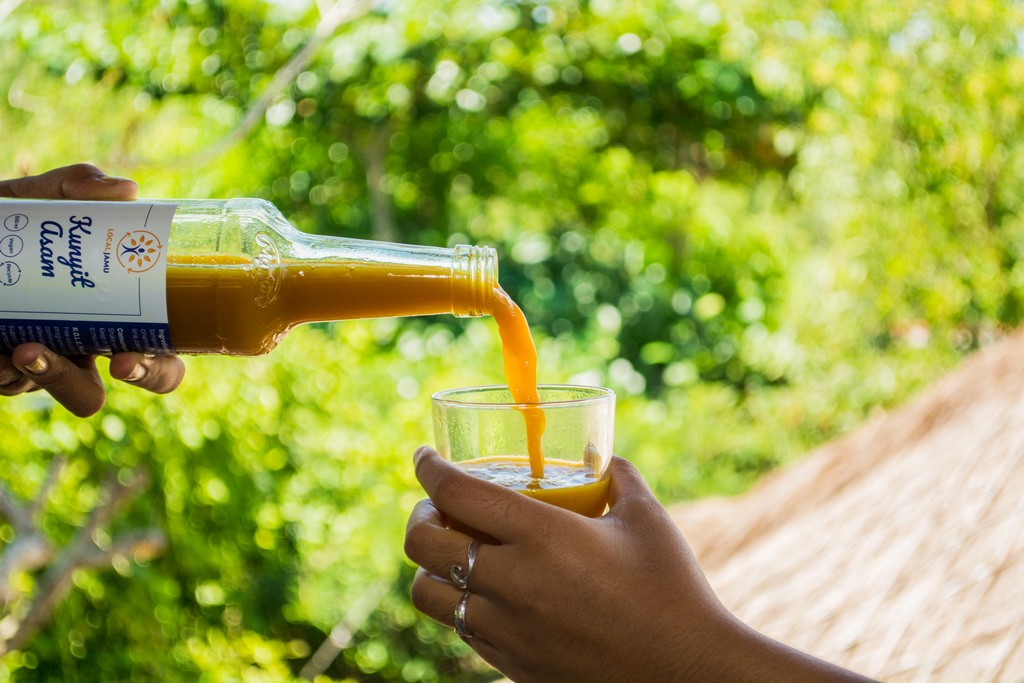
Jamu is a traditional Indonesian herbal medicine made from natural ingredients such as fruits, seeds, bark, leaves, flowers, and spices. It’s been used for centuries in Indonesian culture for its health benefits and medicinal properties. The exact ingredients can vary depending on the specific recipe and intended use.
While traditionally a medicinal beverage, Jamu has also recently gained popularity in Bali as a wellness drink. You’ll now regularly find it on the menu of health cafes and restaurants alongside the juices and smoothies.
If you’re in Bali and your body needs a little TLC, make sure to grab a glass of nutrient-packed Jamu!

Popular Category
DAILY TRIP
BALI ADVENTURE TOURS
BALI TOUR PACKAGE
OTHER ISLAND TOUR PACKAGE
BALI HONEYMOON PACKAGE
BEACH
CLUB


Subscribe To Know The Latest Trends
What Our Customers are Saying About Us?


Mukund P
 Verified
Wonderful
Our Bali trip was truly memorable thanks to Aan and his team. From airport pickup to traveling around different parts of Bali, everything was smooth and well organized. The taxis were always on time, and they helped us with great recommendations, SIM cards, and booking activity tickets. Completely stress-free experience

Trail13381666184
Verified A Safe, Transparent & Memorable Bali Experience with Mr. Aan and Team
We had a really wonderful time with Mr. Aan and his team. He and his team took care of us for 7 days, from the airport to the hotel, and showed us the entire Bali, Nusa Penida Island, and Kuta—covering all the sightseeing spots without any hurry at all. For reference, Mr. Aan can be contacted on +62 812 1401 8747.They did not ask us for any advance payment, nor did they ask for any extra money for sightseeing.Wherever they took us for sightseeing, the entry ticket payments were handled with complete transparency right in front of us.If anyone is planning to visit Bali, they can trust Mr. Aan and his team. We stayed with their team from 19 December 2025 to 26 December 2025, especially Mr. Senuial (our guide and driver). Sorry if I have spelled our driver’s name incorrectly.Overall, it was a very good experience for us, and we did not feel any kind of insecurity on any day—not even 1%.

rushin d
Verified Excellent
Excellent Travel & Taxi Service ExperienceI had a wonderful experience with this travel company. Their taxi service was punctual, clean, and very comfortable. The driver was polite, professional, and well-informed about the routes, which made our journey smooth and stress-free.Apart from taxi service, their overall travel support and coordination were excellent. Everything was well managed, and they were always responsive and helpful whenever we needed assistance.I highly recommend this travel company to anyone looking for reliable taxi service and trustworthy travel arrangements. I will definitely choose them again for my future trips.

nishant g
Verified Great experience with Aan and his team
Our Bali trip became a memorable trip specially because all the travel headache was taken away by Aan and his team. They were excellent from day 1 by picking us up from airport and taking us around in different areas of Bali. Taxis were always before time and helped us with any recommendations needed related to points of interest, sim cards, money exchange etc.Aan and his wife also visited us specially to wish my daughter a happy birthday. We loved that sweet gesture. He always checked me on message next day if everything was fine on precious day and if I had anything. Highly recommended for any of your travel needs in Bali!!!!

jainam
Verified Best trip
Best experience with them must go very helpful and gave the best prices if i visit again would definitely choose them only and would tell everyone to go through bugis bali only

sahithi c
Verified Amazing
Amazing planning and organization for the whole trip. Worth every penny.Aan was always responsive though we messaged him 100 times for everything and was very convenient for payments and planning at the last minute as well.

Mithra vinda R
Verified I recommend Bugis Bali tours
Mr Shariff who came from Bugis Bali tour services supported us a lot in showing all places we wish to. Thanks for the support 🙏

Archana P
Verified They gave very good service.The drivers were very polite & helpful.They were punctual & on tike always with good idea about the places.

Brijesh S
Verified Mr. Aan is the perfect person to arrange your Bali trip!He handles 90% of Indian clients and truly understands what we look for. All the drivers from Bugis Bali Travels are amazing — especially Mr. Soeliz. We absolutely loved his warm personality and the way he greets customers with so much respect and positivity.Throughout our trip, we felt like family with both Mr. Aan and Mr. Soeliz. If you’re planning a trip to Bali, Bugis Bali Travels is the best choice!

Sushant K
Verified Bugis Bali tours and travels are your best buddies while exploring Bali
We had a great time in Bali all thanks to the great help provided by Bugis Bali tours and travels. The owner Aan is really supportive and very flexible also the pricing they offer is the best among all.
Tripadvisor rating score: 5.0 of 5, based on 72 reviews